
30.May.2023
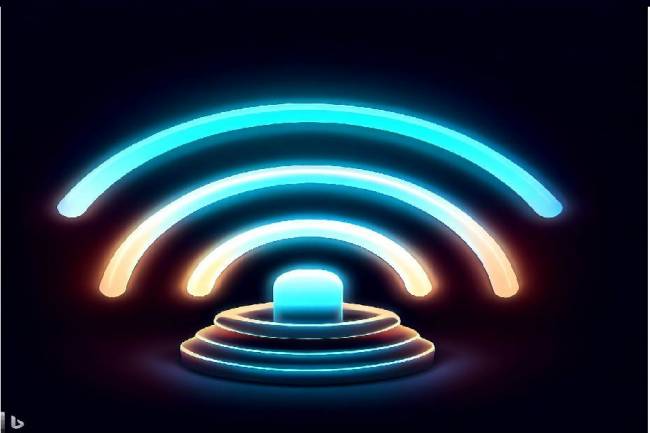
Wi-Fi (Wireless Fidelity) is a technology used for wireless communication. Wi-Fi is a standard that enables data communication between electronic devices and is often used for wireless internet access.
Wi-Fi technology transmits data via radio waves. In this way, you can communicate between devices and connect to the internet without using cables. Wi-Fi networks are usually created through Wi-Fi routers or access points.
Wi-Fi provides wireless connectivity between various devices, such as computers, smartphones, tablets, game consoles, printers and other IoT devices. Wi-Fi has a wide range of uses and is a common technology used in homes, offices, cafes, airports, hotels and many public places.
Wi-Fi connection is associated with Physical Layer and Data Link Layer in TCP/IP model.
The Physical Layer defines the physical components used in the cabling or wireless environment for data transmission. Since Wi-Fi is a wireless communication technology, the Physical Layer is included in this connection.
The latest wireless network standard is Wi-Fi 6E. Wi-Fi 6E is an enhanced version of the previous generation Wi-Fi 6. Wi-Fi 6E uses a wider frequency spectrum, offering benefits such as faster data transfer rates, lower latency, and the ability to connect more devices simultaneously.
Wi-Fi 6E differs from the previous generation Wi-Fi 6 in its ability to use the 6 GHz frequency band. This provides a wider bandwidth and can offer higher performance because it has less density. Wi-Fi 6E offers features that enhance the user experience, such as faster internet connections, better multi-device performance, and more reliable connections.
However, it is important to note that in order to use Wi-Fi 6E, both the router and the devices must provide Wi-Fi 6E support. In addition, devices that are compatible with the widely used Wi-Fi 6 (802.11ax) and previous standards (Wi-Fi 5, Wi-Fi 4, etc.) are still available.
Previous Versions
Previous versions of Wi-Fi are as follows:
Wi-Fi 1 (802.11b): Released in 1999, Wi-Fi 1 is the original wireless networking standard. It uses the 2.4 GHz frequency band and offers a maximum data transfer rate of 11 Mbps.
Wi-Fi 2 (802.11a): Wi-Fi 2, released in 1999, uses the 5 GHz frequency band, unlike Wi-Fi 1. It offers a maximum data transfer rate of 54 Mbps.
Wi-Fi 3 (802.11g): Wi-Fi 3, released in 2003, is a standard that supports both the 2.4 GHz and 5 GHz frequency bands. It offers a maximum data transfer rate of 54 Mbps.
Wi-Fi 4 (802.11n): Released in 2009, Wi-Fi 4 introduced MIMO (Multiple-Input Multiple-Output) technology to provide higher speed and performance. It can operate in the 2.4 GHz and/or 5 GHz frequency bands and offers a maximum data transfer rate of 600 Mbps.
Wi-Fi 5 (802.11ac): Released in 2013, Wi-Fi 5 offers faster data transfer, better capacity and lower latency. It operates in the 5 GHz frequency band and provides a maximum data transfer rate of 6.9 Gbps.
Wi-Fi 6 (802.11ax): Released in 2019, Wi-Fi 6 provides faster speeds, better multi-device performance and lower power consumption.
It can operate in both 2.4 GHz and 5 GHz frequency bands and offers a maximum data transfer rate of 9.6 Gbps.
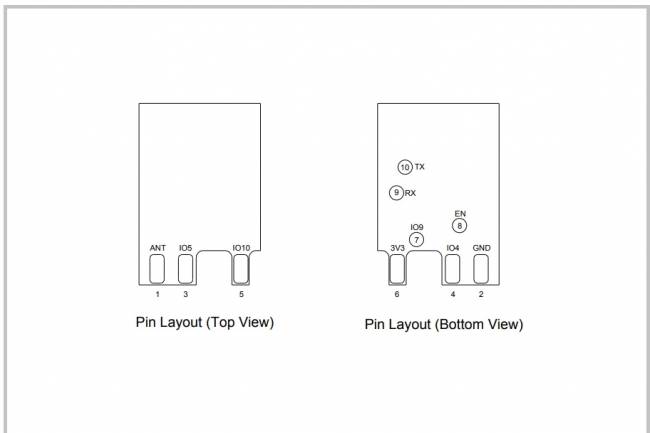
ESP8685-WROOM-07 Introduced with Datasheet
Explore innovative Wi-Fi and Bluetooth features with the ESP8685-WROOM-07's current data sheet. Ideal for industrial and consumer applications.
13.10.2023
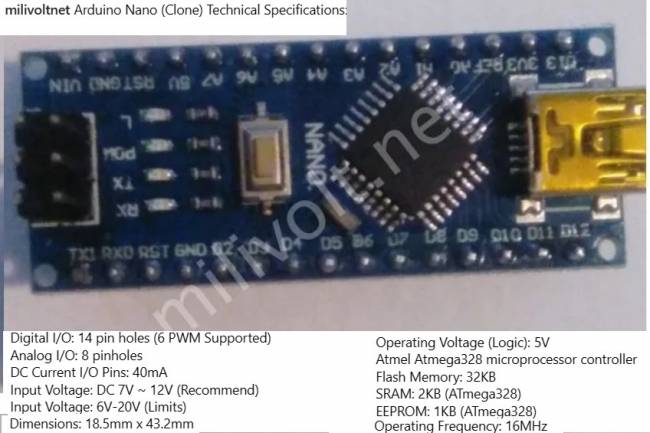
What is Arduino Nano?
Arduino Nano White Paper
29.05.2023
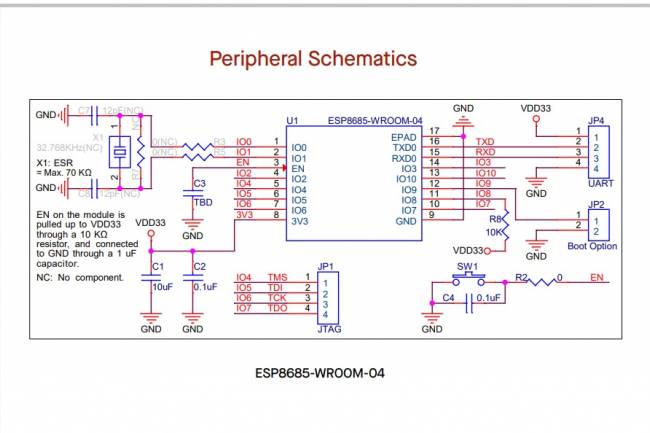
Espressif ESP8685-WROOM-04 Datasheet Update
Updated datasheet of the Espressif ESP8685-WROOM-04 module. It has wide application areas with its Wi-Fi and Bluetooth features. Ideal for advanced IoT solutions
09.02.2024

Voltage Controlled Oscillator NE566
NE566 is a voltage-controlled oscillator or frequency generator IC. Frequency modulation is used in sound reproduction and timer applications
01.06.2023

ESP32 vs Arduino in 2025: Which One Should You Use for Your Project?
Wi-Fi? ESP32. 5 V shields? Arduino. Clear 2025 guide with table: pick the perfect board for IoT, cameras, low-power, DSP
23.11.2025
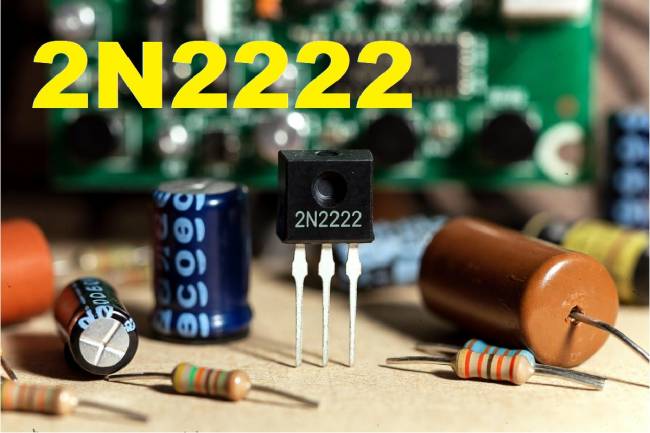
The World’s Most Famous Transistor: Why the 2N2222 Has Been King for Over 60 Years
The 2N2222: the world’s most-used NPN transistor for 60+ years. Cheap, tough, versatile—and still flying in satellites.
05.12.2025
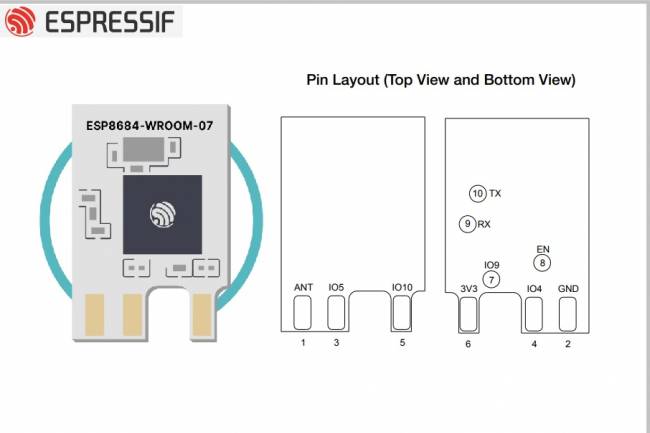
ESP8684-WROOM-07: General Purpose Wi-Fi and Bluetooth LE Module
ESP8684-WROOM-07 is a general purpose Wi-Fi and Bluetooth LE module. Rich set of peripherals and high performance make this module an ideal choice for smart homes, industrial automation, healthcare, consumer.
04.08.2023
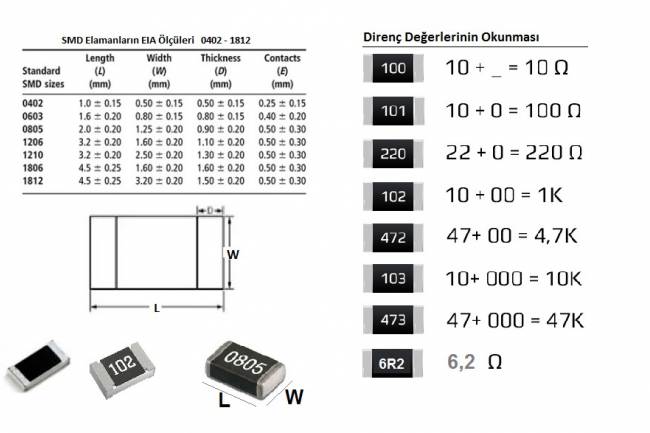
Standards and Reading of SMD Resistors
SMD Resistors values
20.04.2022
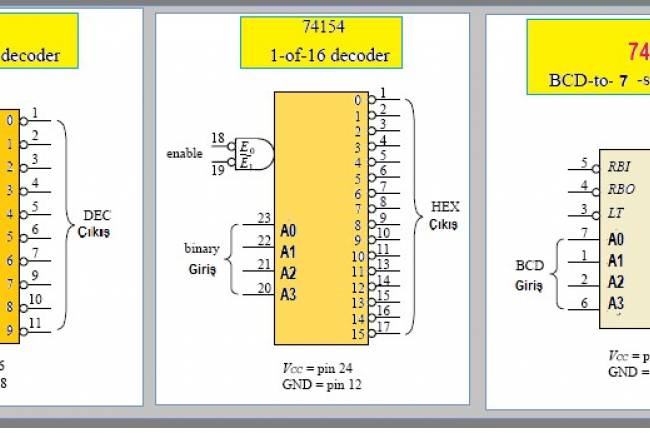
Decoder Integrated
Decoder Integrated
20.04.2022
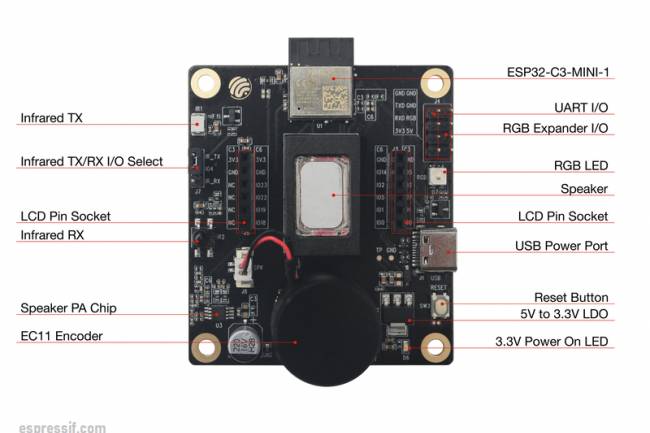
ESP32-C3-LCD Kit User Manual Published
ESP32-C3-LCD kit manual is now available. Get started with this development board that includes an SPI interface display and interactive screen interaction
18.08.2023
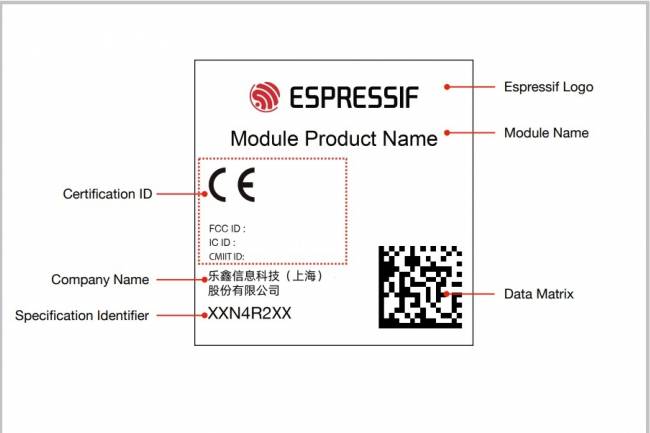
ESP32-C2 Series SoC Faults Documentation
ESP8684 Series SoC bug fixes document: Chip revisions, crystal issues and more. With the assurance of Espressif Systems
25.08.2023
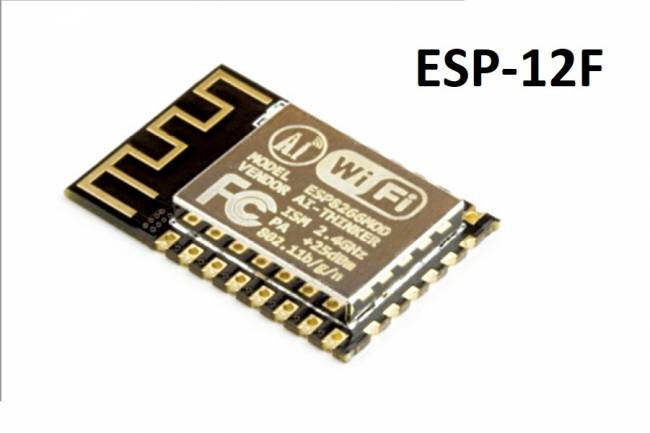
IoT Projects with ESP-12F WiFi Module
Bring your IoT projects to life with the ESP-12F WiFi module. Ideal for smart home automation and more ESP-12F projects.
02.09.2023

Technical Structure of IoT Systems
Learn about the basic components and functioning of IoT systems.
02.09.2023

IoT Security: The Increasing Importance of Technology
Check out the technical measures and examples in our article on IoT security.
02.09.2023
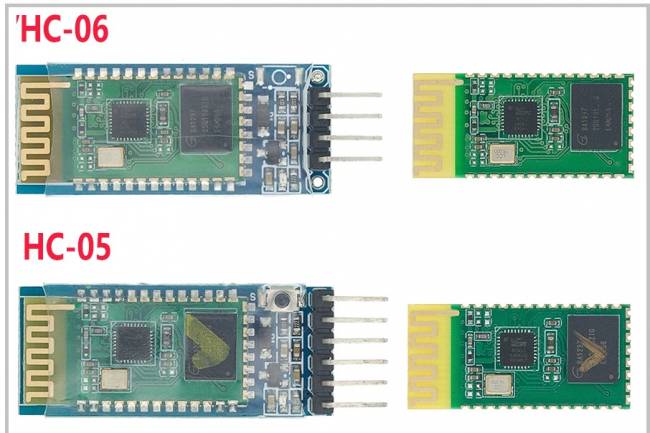
HC-05 and HC-06 Bluetooth Modules
Technical information and usage areas about HC-05 and HC-06 Bluetooth modules.
09.09.2023
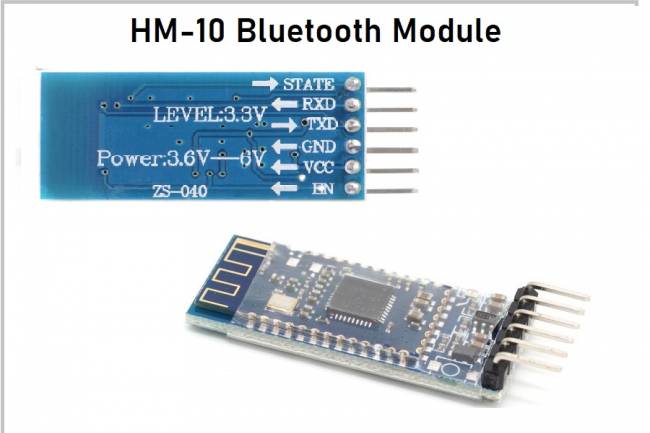
HM-10 Bluetooth Module
Technical features and usage areas of the HM-10 Bluetooth module. Develop IoT and wireless communication projects
09.09.2023

AT Commands Guide for Bluetooth Modules
Configuration and control of Bluetooth modules with AT commands
09.09.2023
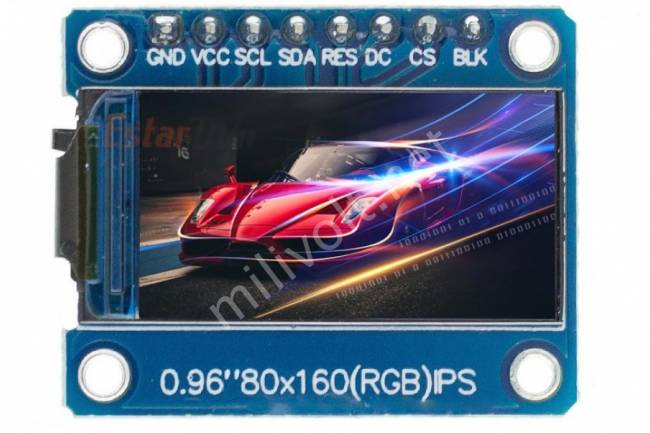
ST7735 Color TFT Screen
Add additional functionality to your Arduino projects with the ST7735 TFT display
10.09.2023