
02.Sep.2023
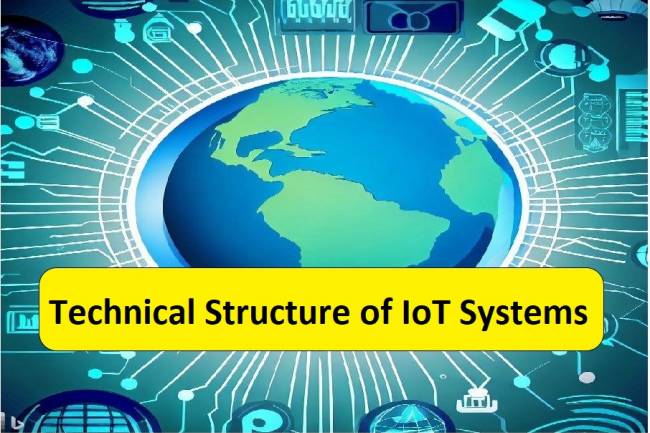
Internet of Things (IoT) refers to a field of technology where physical devices collect, process and share data by connecting to the internet. IoT is used in many sectors around the world and brings many conveniences to our lives. In this article, we will examine the basic technical structure of an IoT system.
Key Components
1. Sensors: They are the foundation of the IoT system. Sensors collect data from the physical world. They can measure various parameters such as temperature, humidity, light, movement. This data is transmitted to other components for further processing.
2. Data Processing Unit: It is the point where the data coming from the sensors are processed and analyzed. This unit makes decisions when necessary by transforming data into meaningful information. Microcontrollers such as Raspberry Pi, Arduino are often used for this function.
3. Internet Connection: IoT devices must transmit the data they collect over a network. This can be achieved via wireless (Wi-Fi, Bluetooth, Zigbee) or wired (Ethernet) connections.
4. Application and Data Storage: IoT data is usually transmitted to a server or cloud storage service. This data is then analyzed or viewed by users.Web applications or custom software present this data in a user-friendly way.
1. Data Collection: Sensors measure variables in their environment and collect data.
2. Data Processing: The data processing unit processes and analyzes the data coming from the sensors and makes decisions when necessary.
3. Data Transmission: The processed data is transmitted through a network connected with the IoT device. This can be done with wireless or wired connections.
4. Data Storage and Analysis: Data is stored on servers or cloud storage services. This data is then analyzed, reports generated or used for other applications.
5. User Interface: Users can use an application or web interface to access and control the data of the IoT system. This interface can present data with meaningful graphs or reports.
The security of IoT systems is of paramount importance. Hacking or malicious use of IoT devices can cause serious problems. Therefore, security measures must be considered when designing an IoT system. Data encryption, strong authentication, up-to-date software security and network security measures are common methods used to enhance IoT security.
IoT has great potential to make our lives smarter and more efficient. It basically consists of sensors, data processing unit, internet connection and data storage/analysis components. The interoperability of these components, the implementation of security measures, and the effective use of data are the keys to building a successful IoT system.
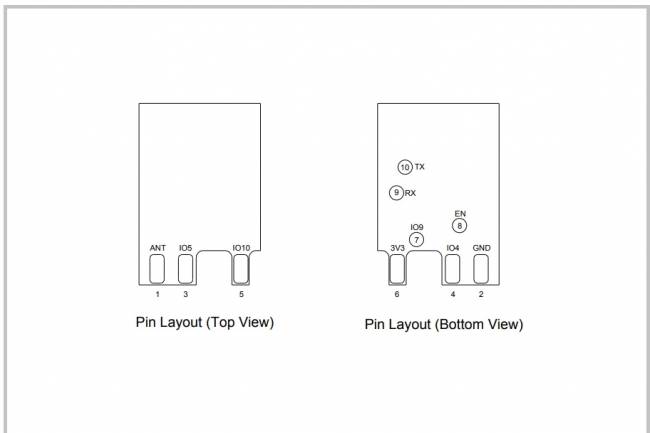
ESP8685-WROOM-07 Introduced with Datasheet
Explore innovative Wi-Fi and Bluetooth features with the ESP8685-WROOM-07's current data sheet. Ideal for industrial and consumer applications.
13.10.2023
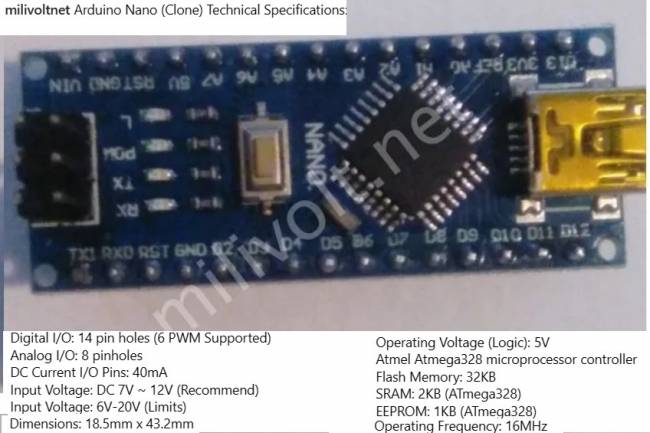
What is Arduino Nano?
Arduino Nano White Paper
29.05.2023
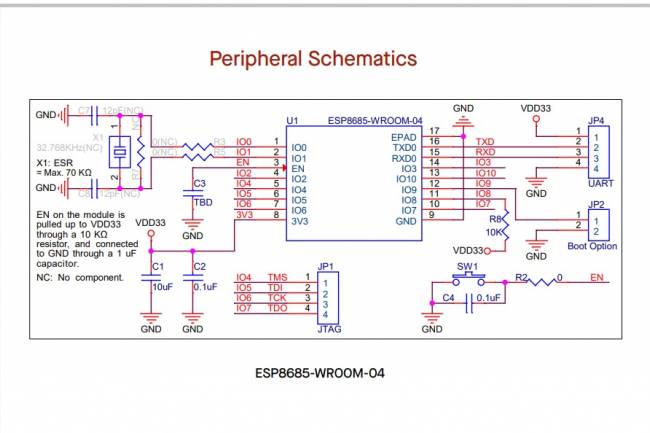
Espressif ESP8685-WROOM-04 Datasheet Update
Updated datasheet of the Espressif ESP8685-WROOM-04 module. It has wide application areas with its Wi-Fi and Bluetooth features. Ideal for advanced IoT solutions
09.02.2024
Wi-Fi Standards
Wi-Fi Whitepaper
30.05.2023

Voltage Controlled Oscillator NE566
NE566 is a voltage-controlled oscillator or frequency generator IC. Frequency modulation is used in sound reproduction and timer applications
01.06.2023
ESP32 vs Arduino in 2025: Which One Should You Use for Your Project?
Wi-Fi? ESP32. 5 V shields? Arduino. Clear 2025 guide with table: pick the perfect board for IoT, cameras, low-power, DSP
23.11.2025
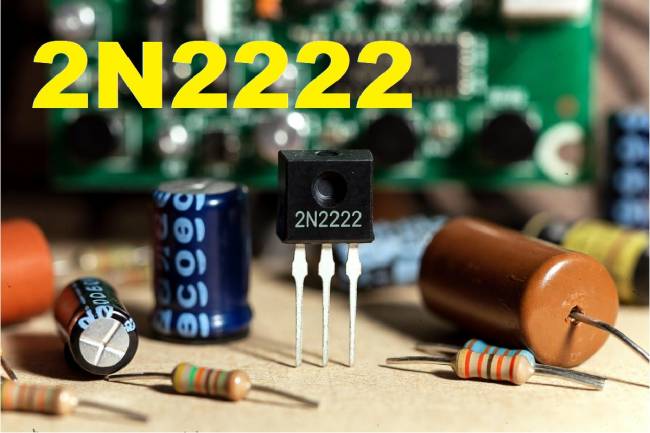
The World’s Most Famous Transistor: Why the 2N2222 Has Been King for Over 60 Years
The 2N2222: the world’s most-used NPN transistor for 60+ years. Cheap, tough, versatile—and still flying in satellites.
05.12.2025
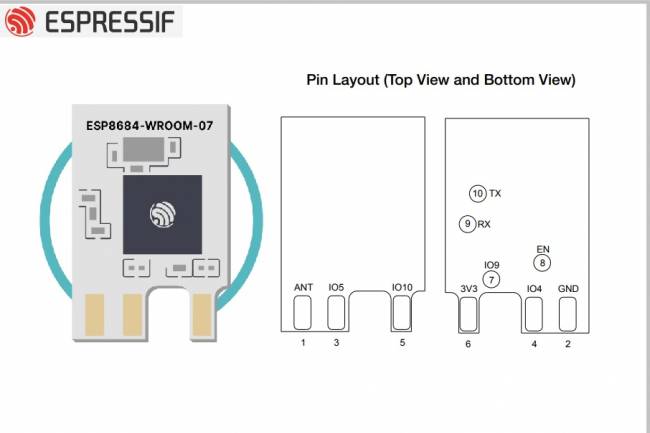
ESP8684-WROOM-07: General Purpose Wi-Fi and Bluetooth LE Module
ESP8684-WROOM-07 is a general purpose Wi-Fi and Bluetooth LE module. Rich set of peripherals and high performance make this module an ideal choice for smart homes, industrial automation, healthcare, consumer.
04.08.2023
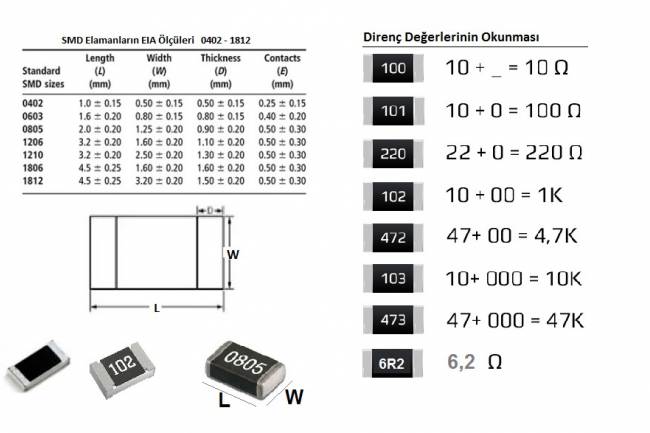
Standards and Reading of SMD Resistors
SMD Resistors values
20.04.2022
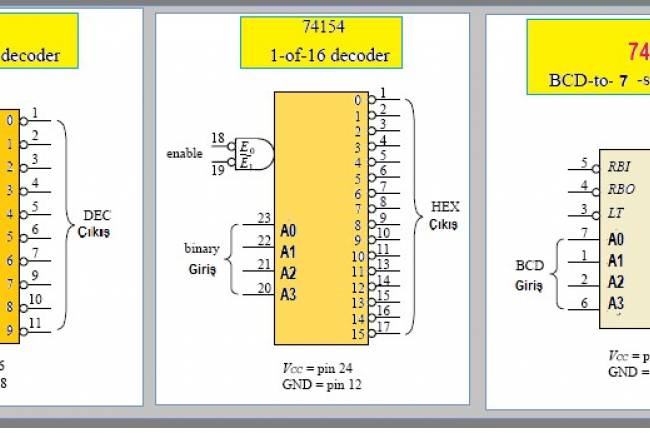
Decoder Integrated
Decoder Integrated
20.04.2022
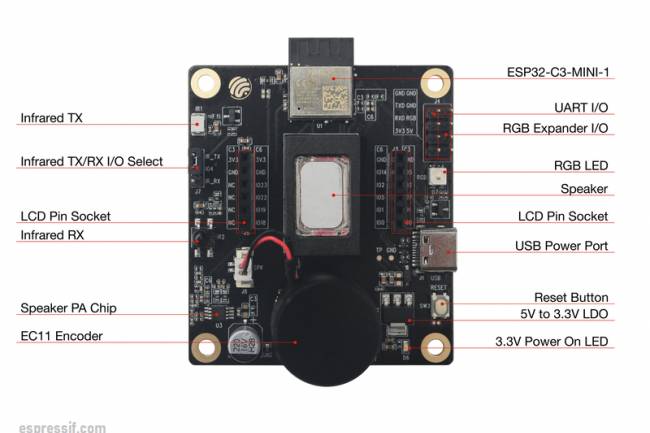
ESP32-C3-LCD Kit User Manual Published
ESP32-C3-LCD kit manual is now available. Get started with this development board that includes an SPI interface display and interactive screen interaction
18.08.2023
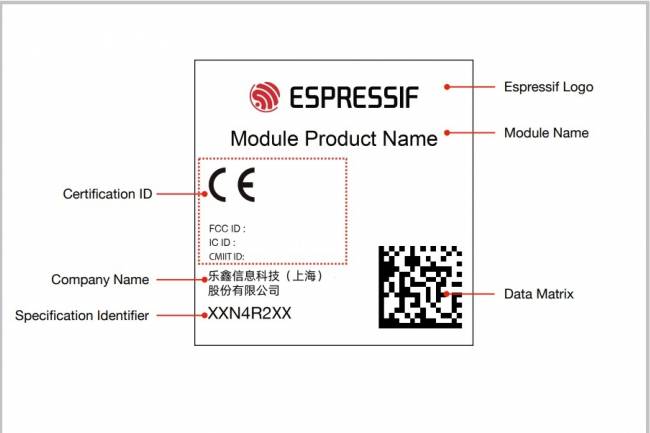
ESP32-C2 Series SoC Faults Documentation
ESP8684 Series SoC bug fixes document: Chip revisions, crystal issues and more. With the assurance of Espressif Systems
25.08.2023
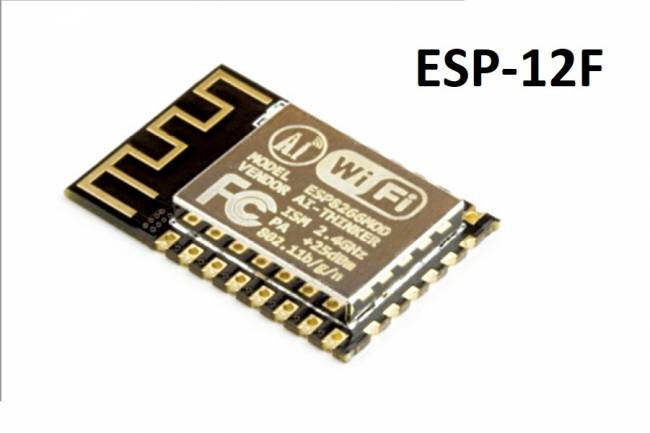
IoT Projects with ESP-12F WiFi Module
Bring your IoT projects to life with the ESP-12F WiFi module. Ideal for smart home automation and more ESP-12F projects.
02.09.2023

IoT Security: The Increasing Importance of Technology
Check out the technical measures and examples in our article on IoT security.
02.09.2023
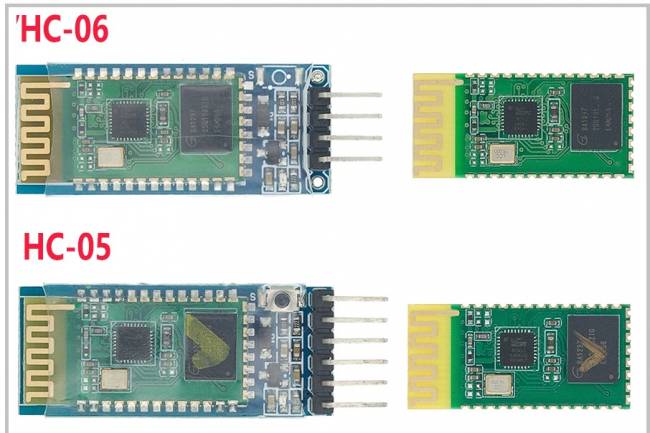
HC-05 and HC-06 Bluetooth Modules
Technical information and usage areas about HC-05 and HC-06 Bluetooth modules.
09.09.2023
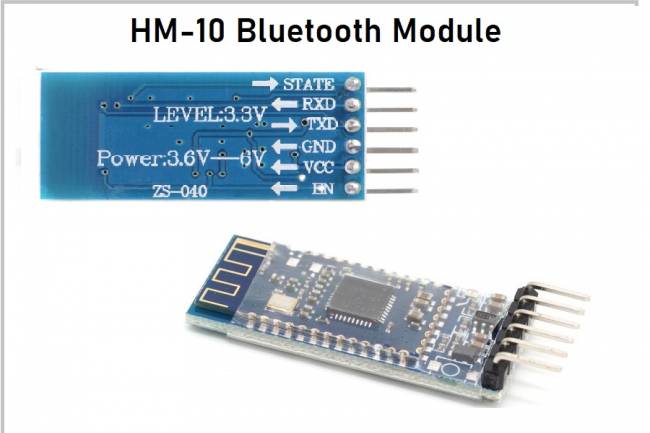
HM-10 Bluetooth Module
Technical features and usage areas of the HM-10 Bluetooth module. Develop IoT and wireless communication projects
09.09.2023

AT Commands Guide for Bluetooth Modules
Configuration and control of Bluetooth modules with AT commands
09.09.2023
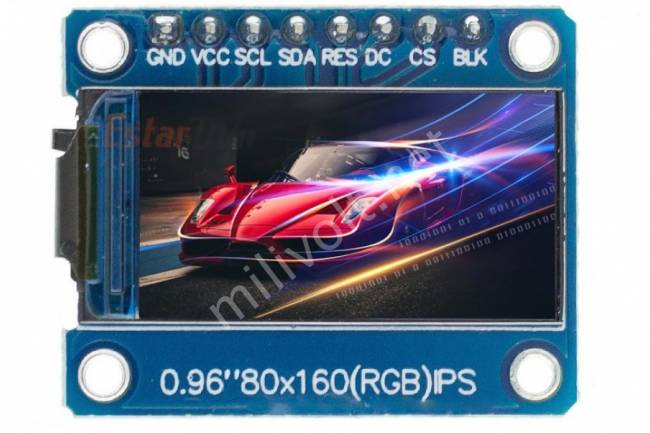
ST7735 Color TFT Screen
Add additional functionality to your Arduino projects with the ST7735 TFT display
10.09.2023