
11.Aug.2023
The article is a beginner's guide for those who are interested in medical electronics or want to learn medical electronics. After understanding the basics of ECG, can an ECG device be made with microcontrollers, we will briefly touch on that subject.
Electrocardiography (ECG) is a medical test method used to measure and record the electrical activity of a person's heart muscle. This test is frequently used by doctors to evaluate the rhythm, rate, and pattern of heartbeats and potentially for heart disease.
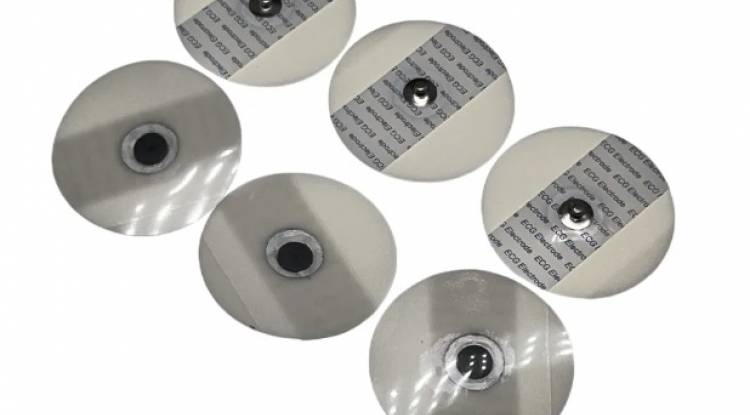
Electrocardiography is performed by placing adhesive electrodes called electrodes on the skin surface. These electrodes receive electrical signals produced by the heart and these signals are recorded by an ECG machine. The resulting ECG graph shows how the heartbeats are formed in waves and the electrical activity in different parts of the heart.
The areas of use of ECG can be:
1. Diagnosis of heart diseases:ECG can help diagnose heart attack, heart rhythm disorders, heart failure and other heart diseases.
2. Monitoring drug or treatment effectiveness: The ECG can be used to monitor the effects of certain drugs or treatments on the heart.
3. Preoperative evaluation: ECG can be used to evaluate the patient's heart health before surgery.
4. Routine health checkups: In some cases, ECG tests may be done as part of regular health checkups.
Basically, the ECG system consists of the following components:
1. Electrodes: The outermost components of the ECG are the electrodes. These are metal plates placed on the skin surface and are used to sense the electrical activity produced by the heart.
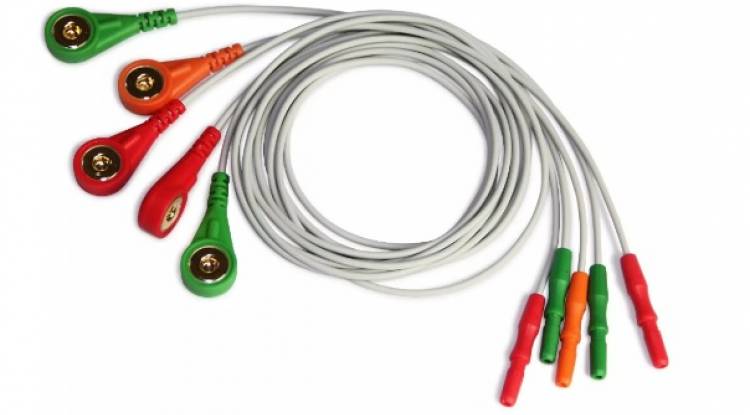
2. Electrode Connections: These are the cables and connectors used to connect the electrodes to the skin. The electrical signals received from the electrodes are transmitted to the ECG machine through these cables.
3. Amplifier: It is an electronic component used to amplify and amplify weak electrical signals coming from the electrodes. This step makes the signals stronger and easier to read.
4. Analog-to-Digital Converter (ADC): Analog signals powered by the amplifier are converted into digital data. This makes it compatible with computers and digital devices.
5. Data Processing Unit: Digital signals are processed to generate and display ECG waves. This component performs the necessary operations to identify and analyze different ECG waves and various aspects of heart activity.
6. Screen or Recorder: ECG waves are displayed and recorded on a screen or paper. This allows doctors to evaluate heart rhythm and record exam results.
7. Computer or Data Storage: Today, ECG data can be stored digitally and integrated into patients' medical records. These data can be used for long-term follow-up and analysis.
Electrocardiogram (ECG) waves are generally low-frequency electrical signals. These waves, which reflect the electrical activity of the heart muscle, exist in certain frequency ranges. The basic ECG waves and frequency ranges are:
1. P Wave: A wave that reflects the depolarization (contraction) of the atria. It is usually found in the frequency range 0.05-3 Hz (3-180 bpm).
2. QRS Complex: Complex reflecting the depolarization of the ventricles. It is usually found in the frequency range 0.05-3 Hz (3-180 bpm).
3. T Wave: A wave reflecting the repolarization (recovery) of the ventricles. It is usually found in the frequency range 0.05-3 Hz (3-180 bpm).
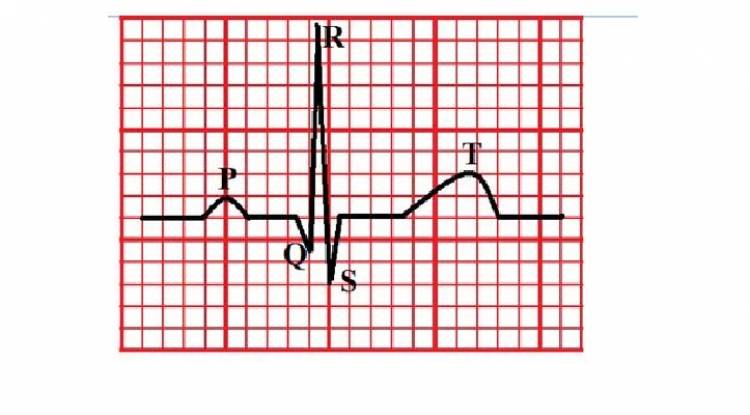
These frequency ranges contain essential features of the normal electrical activity of the human heart. While ECG waves are evaluated for medical analysis and diagnostics, the timing and shape of certain waves can provide important information about heart health.
Second part of the article: Designing an ECG Device with a Microcontroller
Neuralink First Experiment: Innovative Step in Elon Musk's Brain
Elon Musk's Neuralink implant trial represents an important step in brain and computer integration. This technology, which offers hope to paralyzed patients, affects the scientific world
01.02.2024
Brain-Computer Interface Technologies
A comprehensive article on the current status of brain-computer interface technologies, application areas, ethical and security concerns, and future perspectives
21.02.2024
Medical Electronics Advances
Explore the intersection of health and technology in the Medical Electronics category of milivolt.news. The latest news and technical articles on medical devices, imaging technologies, AI-powered medical analytics, biomedical sensors and more. Check out the world where healthcare innovation meets electronics.
08.08.2023
Medical Electronics, Sensors and Nano Technologies
Medical Electronics, Sensor Technologies, Nano Bots, Nano Chips, Nanotechnology Applications, Medical Diagnosis, Targeted Therapy, Cancer Treatment, Nanorobots, Microelectronics, Health Monitoring, Biomedical Technology, Neurological Treatment, Diagnostic Devices.
08.08.2023
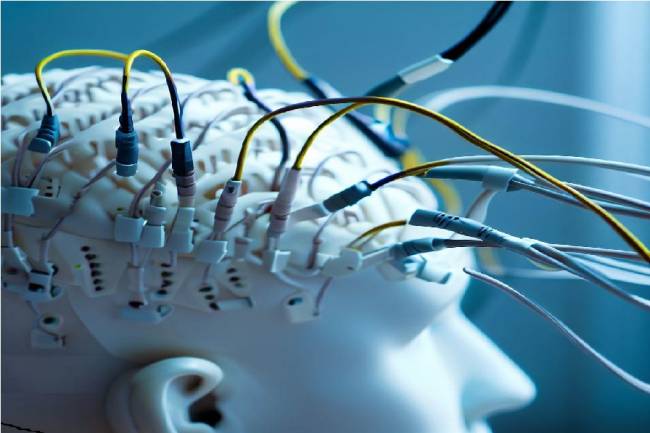
Electroencephalography (EEG): A Look at Understanding Brain Activity
An electroencephalograph, or EEG, article describing the functioning of a medical device used to measure and record brain activity. EEG devices capture and analyze the electrical activity produced by the brain. They are widely used in fields such as epilepsy, neurological disorders, and sleep research.
11.08.2023
Designing an ECG Device with a Microcontroller
Designing an ECG Device with a Microcontroller. Learn about the role of sensors, ECG sensors and modules, key components, and sensor placement guidelines. A step-by-step guide to ECG measurement with Arduino and microcontrollers
11.08.2023
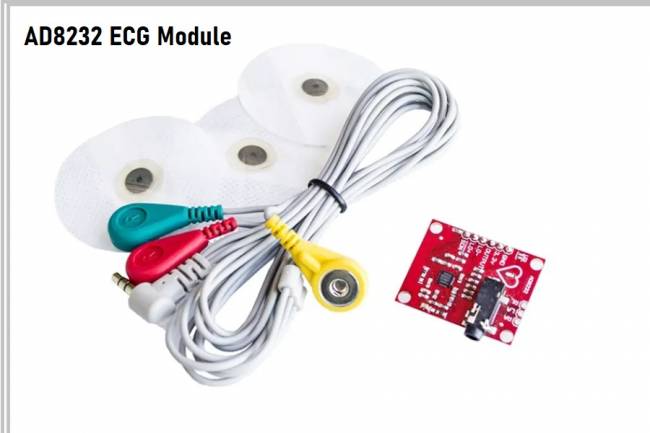
AD8232 Heart Rate Monitor
The AD8232 Single Arm Heart Rate Monitor is a superior solution developed for ECG measurements and heart health monitoring. Equipped with dual high-pass and three-pole low-pass filters, the chip is designed to provide clear and reliable results. With its wide temperature range, easy integration and dedicated sensor connections, the AD8232 provides a healthy lifestyle support tool for healthcare professionals and individuals.
12.08.2023
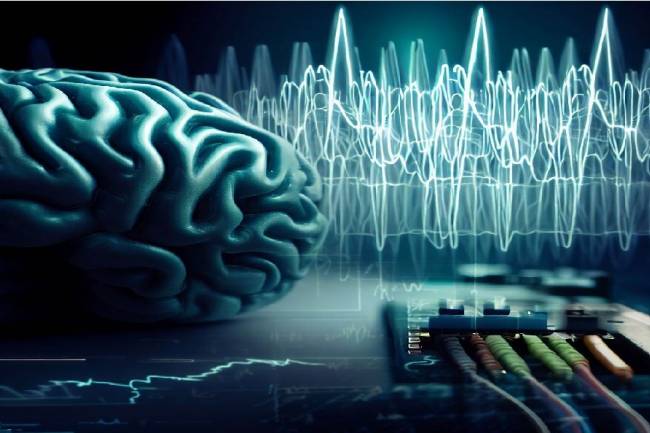
Brain Waves and EEG
The Brain Waves and EEG article allows us to understand brain activity by examining the electrical communication of brain cells. It contains detailed explanations of the functions of different brain waves and EEG technology.
12.08.2023
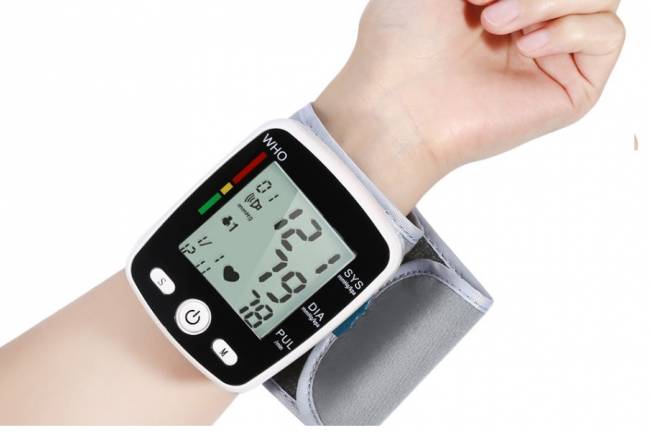
YouWeMed Digital Sphygmomanometer
YouWeMed Digital Sphygmomanometer - Easy to use, USB rechargeable wrist blood pressure monitor
19.08.2023
Bioelectronics: Biology and Electronics
Bioelectronic sensors with examples such as glucose sensors, ECG monitoring devices and more
15.09.2023