
12.Aug.2023
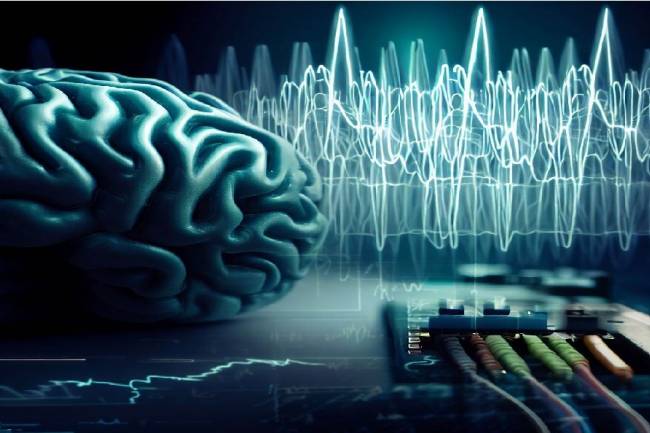
The brain is one of the most complex and intriguing organs of the human body. Brain cells work by communicating electrical signals between neurons. These signals can be measured as waves that reflect brain activity. In this article, we will try to understand what brain waves are, the functions of various brain waves and the basics of EEG (Electroencephalograph) technology.
Brain Waves: The Rhythm of the Mental Dance
Brain waves are rhythmic fluctuations that occur as a result of the electrical activity of neurons. These waves occur when brain cells work in a synchronized way. Different brain waves vibrate at different frequencies and often reflect certain mental states.
Beta Waves (12-30 Hz): Dominant during intense thinking, focus, and mental alertness. Beta waves reflect instantaneous responses of brain activity and are associated with quick thinking and problem-solving abilities.
Alpha Waves (8-13 Hz): Becomes more prominent during relaxation with closed eyes, light meditation, or inner reflections. These waves occur when the brain is at rest and usually denote a relaxed state of mind.
Theta Waves (4-7 Hz): Occur during deep relaxation, imagination and creativity. It is common during dream stages and light sleep periods.
Delta Waves (0.5-4 Hz): Dominated during deep sleep, total relaxation and body repair. They are slow and strong waves.
Gamma Waves (30-100 Hz): Associated with higher thinking functions, cognitive processes and conscious perception. They may become apparent during complex tasks.
EEG or Electroencephalography is a medical device used to measure and record brain activity. This device captures and records the electrical activity produced by the brain. The basic working principle of EEG is to detect and process brain waves through electrodes and amplifiers.
Electrodes and Preparation: EEG signals are collected via metal electrodes. These electrodes are usually made of highly conductive silver or gold plated metals. The electrodes are placed in contact with the skin with special insulating gels or pastes to ensure low contact resistance and minimal artifact. Electrode positions determined according to international standards are used to target brain regions.
Signal Capture and Amplification: Very weak EEG signals from the electrodes are primarily amplified by high input impedance preamplifiers. These amplifiers bring the signal to the desired level while minimizing skin contamination and electromagnetic noise. The signals are then further processed and significantly amplified in primary amplifiers.
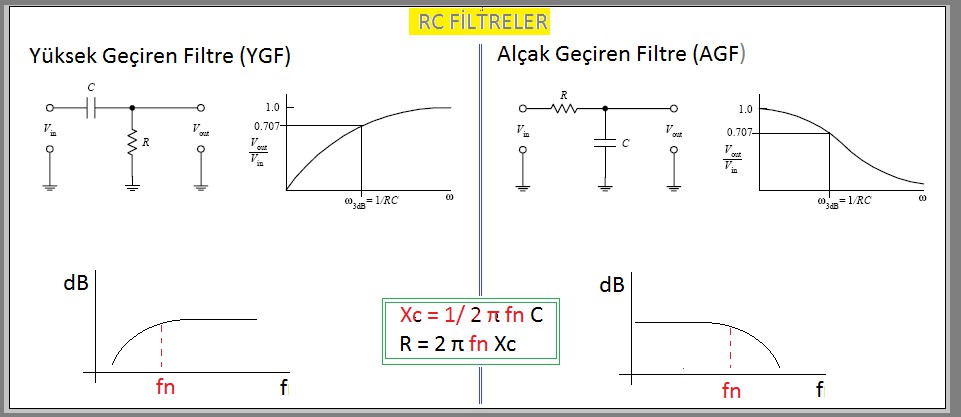
Filtering and Sampling: The amplified signals are processed with low-pass and high-pass analog filters. These filters clean the signal by blocking out unwanted frequency components (for example, power line frequencies). Also, sampling is done to convert the signals into digital data. The sampling rate must be carefully chosen before converting to digital data, as undersampling can distort the results.
Analog-to-Digital Conversion (ADC): Filtered and sampled signals are converted into digital data that the microcontroller or computer can understand. This conversion is performed through integrated circuits called ADC (Analog-Digital Converter). The digital data can then be analyzed with the processor or the appropriate software.
Analog Digital Converter ADC00808
Data Processing and Analysis: Digital data is processed by software or microcontroller. At this stage, the frequency, amplitude and other characteristics of the signal are analyzed in detail. By subtracting the frequency spectrum, the presence and dominance of different brain waves (beta, alpha, theta, delta, gamma) can be determined.
Display and Storage: Processed data can be viewed and saved as graphs, spectrum analyzes or statistical results via a user-friendly interface or software. This allows experts to understand how brain activity changes over time and to evaluate different situations.
EEG technology is an important tool for monitoring and evaluating real-time brain activity. Using EEG data, experts gain valuable information for diagnosing neurological disorders, studying sleep patterns and understanding brain function.
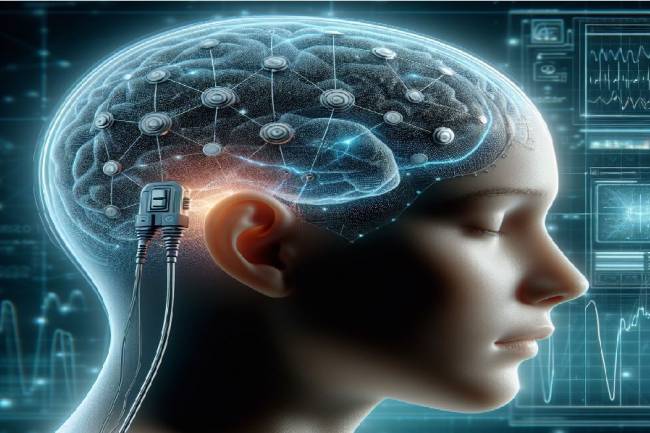
Neuralink First Experiment: Innovative Step in Elon Musk's Brain
Elon Musk's Neuralink implant trial represents an important step in brain and computer integration. This technology, which offers hope to paralyzed patients, affects the scientific world
01.02.2024
Brain-Computer Interface Technologies
A comprehensive article on the current status of brain-computer interface technologies, application areas, ethical and security concerns, and future perspectives
21.02.2024
Medical Electronics Advances
Explore the intersection of health and technology in the Medical Electronics category of milivolt.news. The latest news and technical articles on medical devices, imaging technologies, AI-powered medical analytics, biomedical sensors and more. Check out the world where healthcare innovation meets electronics.
08.08.2023
Medical Electronics, Sensors and Nano Technologies
Medical Electronics, Sensor Technologies, Nano Bots, Nano Chips, Nanotechnology Applications, Medical Diagnosis, Targeted Therapy, Cancer Treatment, Nanorobots, Microelectronics, Health Monitoring, Biomedical Technology, Neurological Treatment, Diagnostic Devices.
08.08.2023
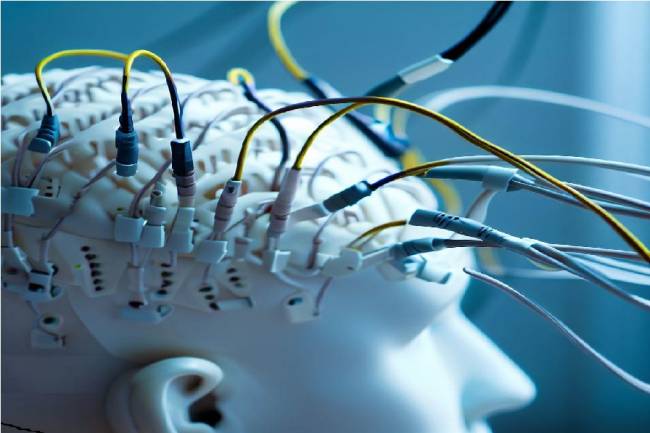
Electroencephalography (EEG): A Look at Understanding Brain Activity
An electroencephalograph, or EEG, article describing the functioning of a medical device used to measure and record brain activity. EEG devices capture and analyze the electrical activity produced by the brain. They are widely used in fields such as epilepsy, neurological disorders, and sleep research.
11.08.2023

Working Principles and Design Fundamentals of ECG Devices: Introduction to Medical Electronics
In this article, we will try to learn the working principles and design basics of ECG devices. It is a beginner's guide for those who are interested in medical electronics or want to learn medical electronics. Learn about what electrocardiography (ECG) is, how it works and how to design it
11.08.2023
Designing an ECG Device with a Microcontroller
Designing an ECG Device with a Microcontroller. Learn about the role of sensors, ECG sensors and modules, key components, and sensor placement guidelines. A step-by-step guide to ECG measurement with Arduino and microcontrollers
11.08.2023
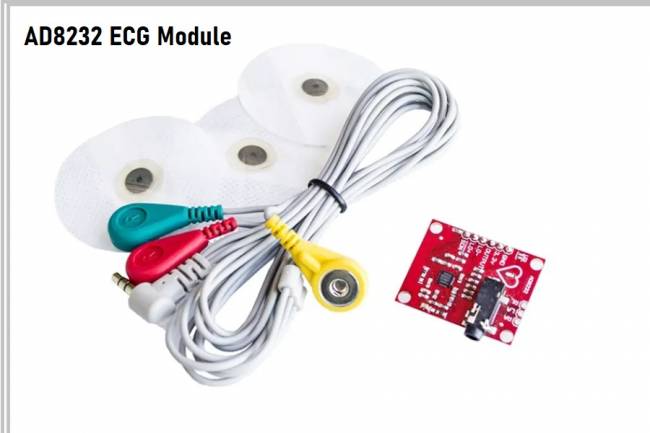
AD8232 Heart Rate Monitor
The AD8232 Single Arm Heart Rate Monitor is a superior solution developed for ECG measurements and heart health monitoring. Equipped with dual high-pass and three-pole low-pass filters, the chip is designed to provide clear and reliable results. With its wide temperature range, easy integration and dedicated sensor connections, the AD8232 provides a healthy lifestyle support tool for healthcare professionals and individuals.
12.08.2023
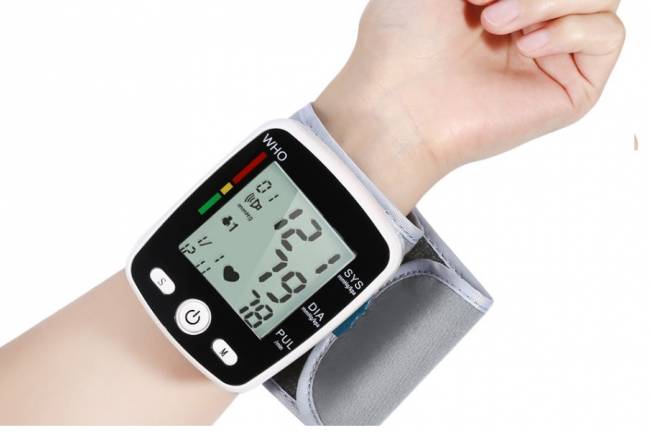
YouWeMed Digital Sphygmomanometer
YouWeMed Digital Sphygmomanometer - Easy to use, USB rechargeable wrist blood pressure monitor
19.08.2023
Bioelectronics: Biology and Electronics
Bioelectronic sensors with examples such as glucose sensors, ECG monitoring devices and more
15.09.2023