
11.Aug.2023
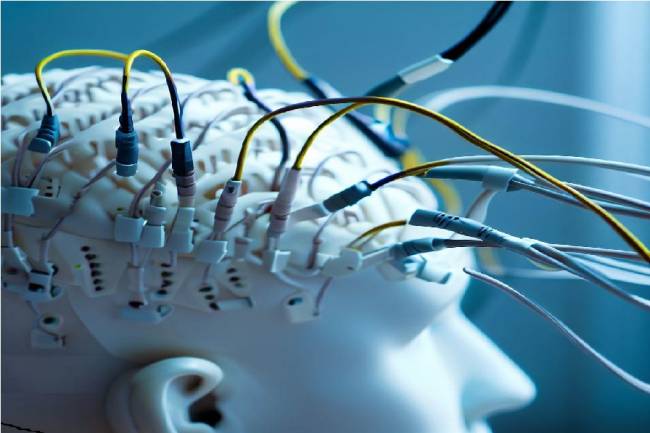
In this article, we will examine in detail the basic operation and electrode structure of the EEG device as a reflection of the developments in the field of medical electronics. We will also focus on the importance of EEG in neurological research and the advantages of real-time monitoring of brain activity. We will explore how these technological advances are used to gain a deeper understanding of brain health.
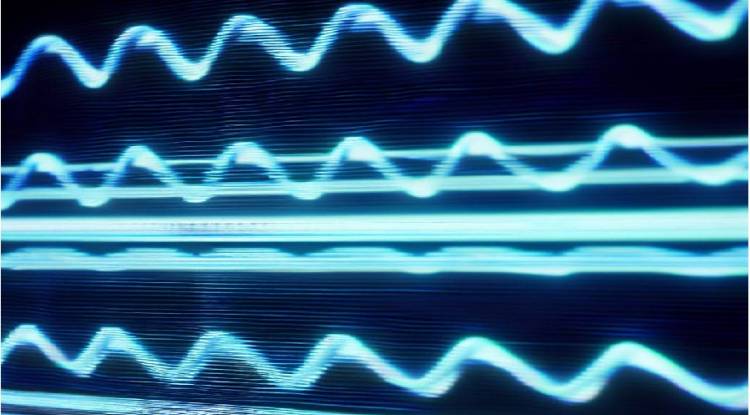
An electroencephalograph, or EEG, is a medical device used to measure and record brain activity. This device is used to capture and record the electrical activity produced by the brain. EEG is widely used, especially in areas such as epilepsy, neurological disorders, and sleep research.
1. Electrodes: An EEG device contains small metal electrodes that are placed on the scalp of the patient or subject. These electrodes are used to detect weak electrical signals produced by the brain.
2. Amplification: These weak electrical signals from the electrodes are amplified by the amplifiers of the device. This amplification provides better visualization and analysis of signals.
3. Data Logging: After amplification, the device records the signals. This recording shows how brain activity changes over a period of time. The recorded data is usually transferred to a computer or a special recording device.
4. Data Analysis: The recorded data is then analyzed by experts. This analysis can help identify how brain activity changes or potentially abnormal activity over different periods. Abnormal electrical patterns can be detected, especially in cases such as a diagnosis of epilepsy.
EEG is an important medical tool used to monitor and evaluate brain activity in real time. Properly trained professionals can obtain valuable information about neurological disorders, seizures, sleep disorders, and other brain-related conditions by examining EEG data.
EEG electrodes are electrodes made of thin metal tips used to measure and record brain activity. These electrodes are placed on the scalp and used to detect weak electrical signals from the brain. The structure of the electrodes is generally as follows:
1. Metal Tips: The most important part of the electrodes are the metal tips used to detect brain activity. These metal tips are usually made of silver or gold plated metals. These metals help to more precisely measure brain activity because of their high electrical conductivity.
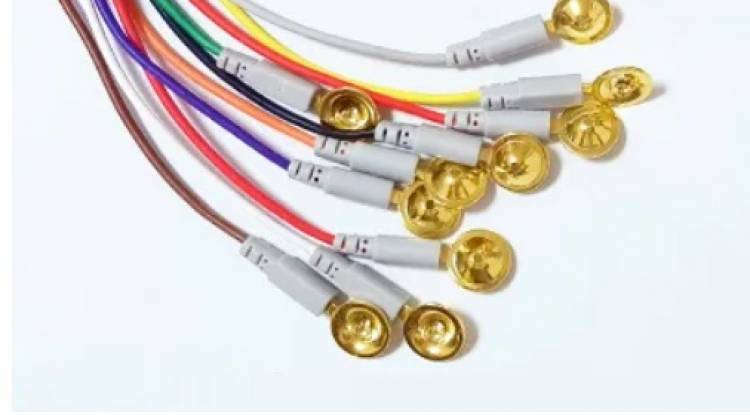
2. Insulating Material: Metal leads are surrounded by an insulating material to ensure correct transmission of electrical signals. This insulating material is usually made of plastic or ceramic. The insulating material prevents different electrodes from touching each other and prevents unwanted signal distortions.
3. Connection Cables: The electrical signals from the electrodes are transmitted to the amplifiers of the device. Therefore, the electrodes are connected to the amplifier device with the appropriate connecting cable or wires. This wiring ensures reliable transmission of signals.
4. Application and Placement Mechanism:EEG electrodes should be placed on the scalp correctly. Therefore, there is an application and placement mechanism that keeps the electrodes in the correct position. This mechanism helps the electrodes to be firmly attached to the desired areas.
5. Gel or Paste: The electrodes can be coated with conductive materials such as gel or paste to provide better contact with the scalp and increase electrical conductivity. This is important to get more reliable and clear signals.
In general, EEG electrodes are special electrodes designed to measure brain activity. The design and material selection of these electrodes is carefully done to ensure reliable and precise measurements.
Brain waves : Brain Waves and EEG
Related Link: FDA Grants Neuralink Firm to Brain-Machine Interface Clinical Studies
Neuralink First Experiment: Innovative Step in Elon Musk's Brain
Elon Musk's Neuralink implant trial represents an important step in brain and computer integration. This technology, which offers hope to paralyzed patients, affects the scientific world
01.02.2024

Brain-Computer Interface Technologies
A comprehensive article on the current status of brain-computer interface technologies, application areas, ethical and security concerns, and future perspectives
21.02.2024
Medical Electronics Advances
Explore the intersection of health and technology in the Medical Electronics category of milivolt.news. The latest news and technical articles on medical devices, imaging technologies, AI-powered medical analytics, biomedical sensors and more. Check out the world where healthcare innovation meets electronics.
08.08.2023

Medical Electronics, Sensors and Nano Technologies
Medical Electronics, Sensor Technologies, Nano Bots, Nano Chips, Nanotechnology Applications, Medical Diagnosis, Targeted Therapy, Cancer Treatment, Nanorobots, Microelectronics, Health Monitoring, Biomedical Technology, Neurological Treatment, Diagnostic Devices.
08.08.2023

Working Principles and Design Fundamentals of ECG Devices: Introduction to Medical Electronics
In this article, we will try to learn the working principles and design basics of ECG devices. It is a beginner's guide for those who are interested in medical electronics or want to learn medical electronics. Learn about what electrocardiography (ECG) is, how it works and how to design it
11.08.2023
Designing an ECG Device with a Microcontroller
Designing an ECG Device with a Microcontroller. Learn about the role of sensors, ECG sensors and modules, key components, and sensor placement guidelines. A step-by-step guide to ECG measurement with Arduino and microcontrollers
11.08.2023
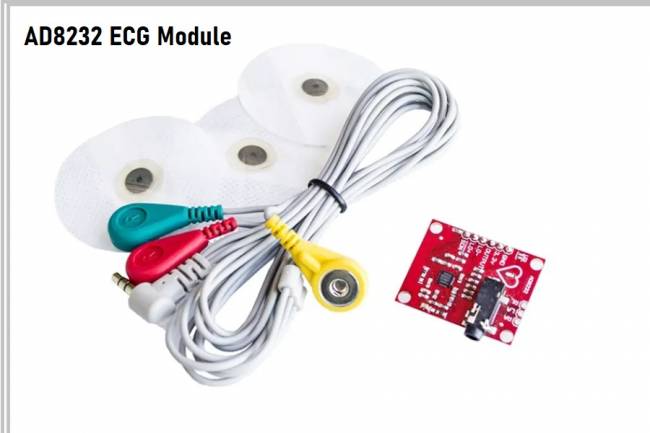
AD8232 Heart Rate Monitor
The AD8232 Single Arm Heart Rate Monitor is a superior solution developed for ECG measurements and heart health monitoring. Equipped with dual high-pass and three-pole low-pass filters, the chip is designed to provide clear and reliable results. With its wide temperature range, easy integration and dedicated sensor connections, the AD8232 provides a healthy lifestyle support tool for healthcare professionals and individuals.
12.08.2023
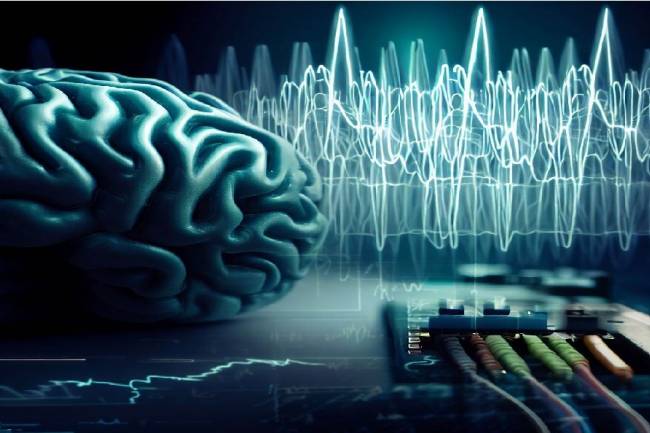
Brain Waves and EEG
The Brain Waves and EEG article allows us to understand brain activity by examining the electrical communication of brain cells. It contains detailed explanations of the functions of different brain waves and EEG technology.
12.08.2023
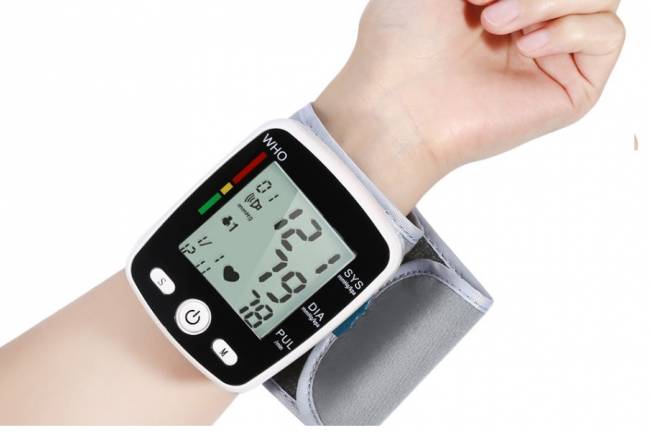
YouWeMed Digital Sphygmomanometer
YouWeMed Digital Sphygmomanometer - Easy to use, USB rechargeable wrist blood pressure monitor
19.08.2023
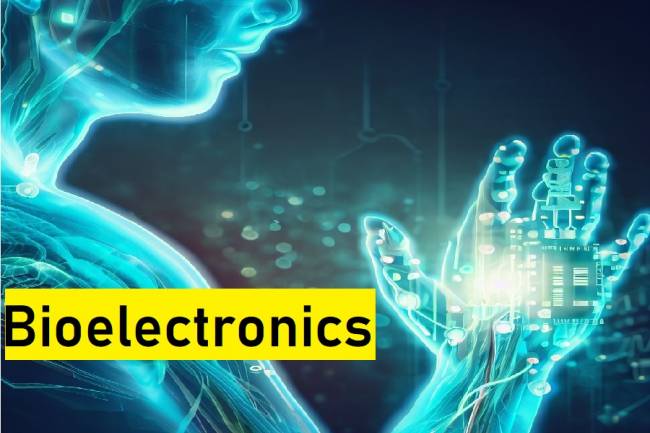
Bioelectronics: Biology and Electronics
Bioelectronic sensors with examples such as glucose sensors, ECG monitoring devices and more
15.09.2023