
11.Aug.2023
We said that one of the most important components in ECG systems is sensors. If we want to make an ECG device using sensors together with an MCU, we first need to examine the sensors a bit.
We have attached an application-training video made with the AD8232 ECG module below.
Various ECG sensors and modules are available to measure ECG with microcontrollers such as Arduino. These sensors may include electrodes and signal processing circuitry and can be used to read and process electrocardiogram (ECG) data. Here are some examples of popular ECG sensors and modules:
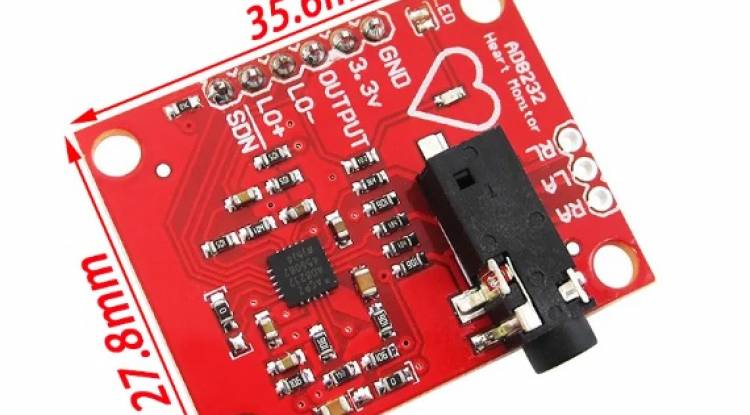
1. AD8232 ECG Module: This module is used to detect heartbeats and receive ECG data. It can be used with one or three electrodes. It can be integrated with Arduino and other microcontrollers.
2. MAX30003 ECG and Bioimpedance Module: This high performance module can perform bioimpedance measurements as well as ECG data. It is often used for more advanced and research applications.
3. ADS129X ECG Analogue Pre-Tone Modules: This series is designed for high precision ECG measurements. It can contain multiple channels and is suitable for professional or private applications.
4. ECG Electrodes: Besides the sensor modules, you can also use stand-alone electrodes. These can be metal plates or adhesive electrodes placed on the skin. You must consider the signal processing circuits required to connect with the microcontroller.
5. Polar Cord and Electrodes: This electrode kit contains polar electrodes for ECG measurements and generally allows patients to be securely attached to the skin.
6. DIY Sensors: You can also create your own ECG sensor in some DIY projects. This can be particularly interesting for customized applications and educational purposes.
ECG sensors and modules can vary based on your design requirements and the complexity of your project.
Electrocardiogram (ECG) sensors are placed in specific areas on the body and measure the electrical activity of the heart muscle. Correct placement of these sensors is important to obtain accurate and reliable results.
1. Chest Electrodes: Electrodes, which are the most common use of ECG, are usually placed in the chest area. Chest electrodes help record heart activity from different angles. These electrodes are called V1, V2, V3, V4, V5 and V6. V1 and V2 are placed in the upper part of the right chest, while V3, V4, V5 and V6 are placed in order to the left.
2. Hand Electrodes: Right and left hand electrodes are placed on the wrist or at wrist level. These electrodes also help to record heart activity in the horizontal plane.
3. Leg Electrodes: Right and left leg electrodes are usually placed at ankle or ankle level. These electrodes help to record cardiac activity in the vertical plane.
4. Right Upper Limb Electrode: It is placed on the upper part of the right arm and used as a separate reference electrode.
5. Left Upper Limb Electrode: It is placed on the upper part of the left arm and used as a separate reference electrode.
Sensor placement points should be performed in accordance with standards and guidelines set by the International Committee for Electrocardiography (IEC). Correct electrode placement helps ECG waves to accurately reflect electrical activity from different parts of the heart. It is important that you use medical expertise and guidelines to correctly position and read ECG sensors.
Related article: Heart Rate Measurement with MCU
Relate article (AD8232) : AD8232 Heart Rate Monitor

Neuralink First Experiment: Innovative Step in Elon Musk's Brain
Elon Musk's Neuralink implant trial represents an important step in brain and computer integration. This technology, which offers hope to paralyzed patients, affects the scientific world
01.02.2024

Brain-Computer Interface Technologies
A comprehensive article on the current status of brain-computer interface technologies, application areas, ethical and security concerns, and future perspectives
21.02.2024
Medical Electronics Advances
Explore the intersection of health and technology in the Medical Electronics category of milivolt.news. The latest news and technical articles on medical devices, imaging technologies, AI-powered medical analytics, biomedical sensors and more. Check out the world where healthcare innovation meets electronics.
08.08.2023
Medical Electronics, Sensors and Nano Technologies
Medical Electronics, Sensor Technologies, Nano Bots, Nano Chips, Nanotechnology Applications, Medical Diagnosis, Targeted Therapy, Cancer Treatment, Nanorobots, Microelectronics, Health Monitoring, Biomedical Technology, Neurological Treatment, Diagnostic Devices.
08.08.2023
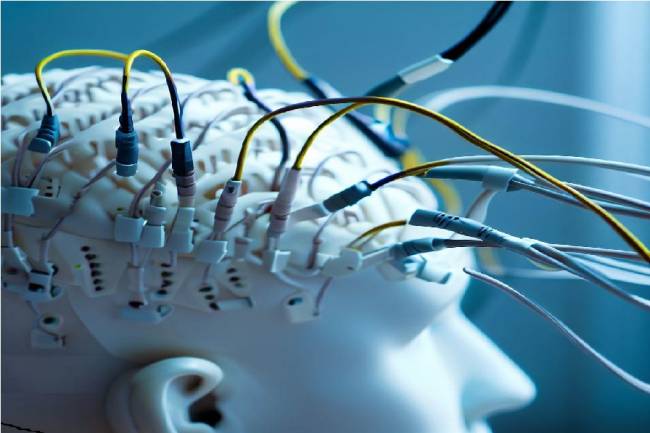
Electroencephalography (EEG): A Look at Understanding Brain Activity
An electroencephalograph, or EEG, article describing the functioning of a medical device used to measure and record brain activity. EEG devices capture and analyze the electrical activity produced by the brain. They are widely used in fields such as epilepsy, neurological disorders, and sleep research.
11.08.2023

Working Principles and Design Fundamentals of ECG Devices: Introduction to Medical Electronics
In this article, we will try to learn the working principles and design basics of ECG devices. It is a beginner's guide for those who are interested in medical electronics or want to learn medical electronics. Learn about what electrocardiography (ECG) is, how it works and how to design it
11.08.2023
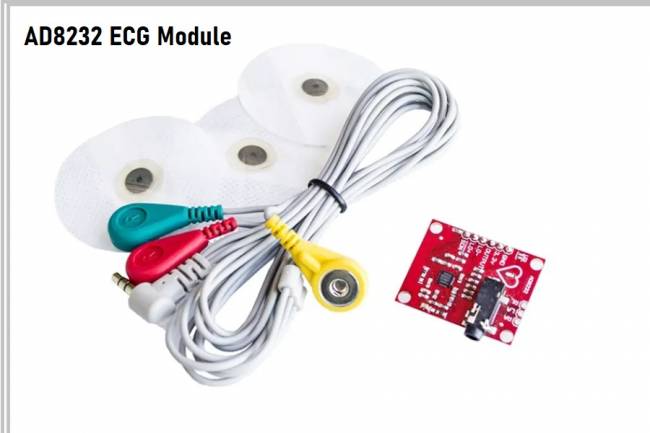
AD8232 Heart Rate Monitor
The AD8232 Single Arm Heart Rate Monitor is a superior solution developed for ECG measurements and heart health monitoring. Equipped with dual high-pass and three-pole low-pass filters, the chip is designed to provide clear and reliable results. With its wide temperature range, easy integration and dedicated sensor connections, the AD8232 provides a healthy lifestyle support tool for healthcare professionals and individuals.
12.08.2023

Brain Waves and EEG
The Brain Waves and EEG article allows us to understand brain activity by examining the electrical communication of brain cells. It contains detailed explanations of the functions of different brain waves and EEG technology.
12.08.2023
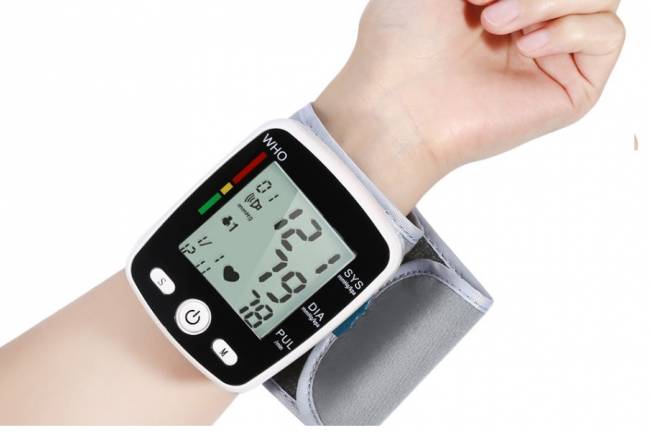
YouWeMed Digital Sphygmomanometer
YouWeMed Digital Sphygmomanometer - Easy to use, USB rechargeable wrist blood pressure monitor
19.08.2023
Bioelectronics: Biology and Electronics
Bioelectronic sensors with examples such as glucose sensors, ECG monitoring devices and more
15.09.2023