
24.Jul.2023
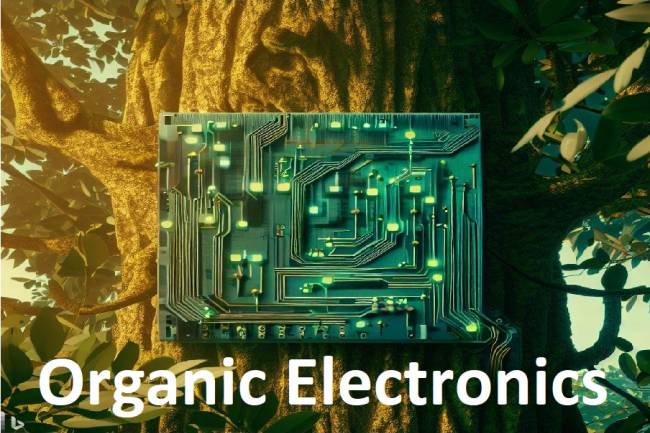
This white paper is a review of organic semiconductor-based electronic circuits, known as organic chips, as an emerging technology. As an alternative to traditional silicon-based chips, organic chips offer the potential for more flexible, lightweight and flexible electronic devices.
Continuous developments in the electronics industry have increased the demand for smaller, lighter and more flexible electronic devices. While traditional silicon-based chips are successful in providing high-performance computing and processing power, they have limitations in terms of flexibility and light weight. Organic chips are electronic circuits made using organic semiconductor materials and have the potential to circumvent these limitations.
Organic chips are made of carbon-based materials known as organic semiconductors. These semiconductors consist of organic compounds such as polymers and organic small molecules. While polymer organic semiconductors are used in applications such as flexible electronic devices and organic solar cells, organic small molecule semiconductors are widely preferred in areas such as OLED (Organic Light Emitting Diodes).
The main advantage of organic chips is that they have flexibility. This feature makes it possible to use organic chips in next-generation applications such as wearable electronics, flexible displays, and bendable electronics. In addition, the low cost production potential of organic semiconductors makes it economically attractive.
But organic chips also have some limitations. They have lower performance than traditional silicon chips and are not yet up to par in applications that require high-speed computing and processing power. Also, the durability and longevity of organic semiconductors are lower compared to conventional silicon semiconductors.
Organic chips offer potential applications in areas such as flexible and bendable electronics, as well as wearable technologies, flexible displays and smart textiles. Organic solar cells are a promising field for low-cost and light power generation, while OLED displays have the potential to provide energy efficiency and high color saturation.
Future Developments:
Organic chips are a technology still in development, and researchers continue to work to improve the performance and durability of organic semiconductors. The discovery of better materials and improvements in manufacturing processes could enable organic chips to become widespread and compete with traditional silicon-based chips.
Organic chips could be the cornerstones of future flexible electronics. Their flexibility, low cost and potential applications indicate that organic chips have promising potential to play an important role in the electronics industry. However, the potential of organic chips as a technology that requires more research and development will become more evident in the future.
Another article on Organic Electronics:
https://milivolt.news/post/overview-of-flexible-led-matrix-displays
Data Science and Electronics
Data science and electronics interest
04.04.2023

FDA Grants Neuralink Firm to Brain-Machine Interface Clinical Studies
Human brain-machine interface studies- Neuralink Corporation studies
26.05.2023
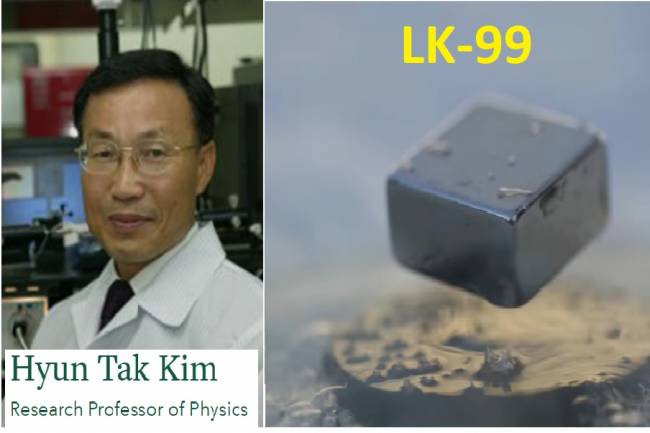
Semiconductors and Superconductors Are Changing the Electronics Industry
The superconductor named LK-99, operating at room temperature and ambient pressure, recently announced by South Korean scientists, has a great transformation potential in electronic technology.
29.07.2023
lk-99: Possible Changes in Superconducting Material and Electronics Industry at Room Temperature
The discovery of superconducting material at room temperature, defined as lk-99, has the potential to lead to major changes in the worlds of electronics and computers. This article examines the features of the lk-99 and its possible effects in the electronics industry.
02.08.2023

Scientific Developments in the Field of Energy
Alternative Energy Sources, Scientific Developments
11.01.2023